
How to Record a Life Story Interview at Home
I didn’t plan to record anything that night.
We were wrapping up a family get-together. Dishes were stacked. Kids were half-asleep on the couch. Someone was looking for a phone charger. And my dad was doing that thing dads do when the room gets quiet. He started telling a story you’ve heard before, but somehow it never gets old.
I remember thinking, I should record this.
Not later. Not next time. Right now.
So I pulled out my phone, hit video, and set it on the counter like it was no big deal.
The clip is not perfect. The lighting is average. Someone coughs. A chair scrapes on the floor.
But his voice is clear. His eyes are bright. And the way he tells it, you can see the whole world he’s describing.
That video is one of my most valuable possessions.
Because photos are priceless, but they’re silent. And I’m learning that the silence is what we miss the most.
If you’ve ever wondered how to record a life story, or how to capture family stories without fancy equipment, here’s a simple way to do it. You can do this at home with your phone. You can do it this week. And you can do it in 30 minutes.
The Goal
This is not about making a documentary. It’s about making sure stories don’t get lost.
Most families don’t lose their history in a single moment. They lose it slowly, in little missed opportunities.
A conversation that never gets recorded. A story that never gets asked for again. A season of life that fades because no one captured it while it was still fresh.
This is your reminder to start.
The 30-Minute Plan
You don’t need to block out a whole day. You need one focused half hour.
Minute 1–5: Set up the room
Pick the quietest spot you have.
Kitchen is usually loud. Living room is usually better. A bedroom with carpet is often best because it absorbs echo.
Use window light if you can.
Sit them facing a window. Do not put the window behind them or their face will be dark.
Keep it simple.
One chair. One person. One story at a time.
Put the phone at eye level.
Stack books if needed. A phone propped on the table looking up from below is the fastest way to make a great story feel awkward.
Minute 6–25: Record the interview
Start with easy questions. You’re trying to create comfort, not pressure.
If you want a strong oral history recording, begin with details and let emotion come naturally.
Here are 10 questions that work almost every time:
What’s your full name and where were you born?
What was your house like growing up?
What did a normal day look like when you were 10?
Who influenced you most as a kid?
What was your first job and what did it teach you?
What’s a moment in your life you still think about often?
What was a hard season you went through, and what carried you through it?
What are you most proud of?
What do you hope your grandkids remember about you?
What values do you hope our family never loses?
If they get rolling on one story, let it run. The best moments often come when you stop jumping to the next question.
Minute 26–30: Close it well
End with something that gives the recording a “bow.”
Try one of these:
“Is there anything you want to say to your future grandkids?”
“What do you want to be known for?”
“What do you hope our family carries forward?”
Then stop the recording and tell them thank you. Not a rushed thank you. A real one.
Because most people don’t realize how meaningful their story is until someone treats it like it matters.
The Simple Gear Checklist
You can do this with just your phone. If you want to upgrade one thing, upgrade audio.
Bare minimum:
Smartphone with camera
Chair
Natural light
Quiet room
Nice upgrade (optional):
A small clip-on mic (lav mic) that plugs into your phone
This is the easiest way to make your life story interview sound professional without learning anything technical.
Three Mistakes to Avoid
These are the common reasons people record once and never do it again.
Bad audio
If the sound is hard to understand, you won’t rewatch it. Get closer to the speaker. Reduce background noise. Consider a clip-on mic.Too many people talking
Group interviews get chaotic fast. Start with one person. You can always film more later.Starting too heavy
If you start with trauma or regret, they may shut down. Build trust with simple memories first.
A Tip That Helps More Than You Think
Before you hit record, say this:
“I’m not trying to make this perfect. I just want to capture you.”
That sentence lowers the pressure and changes everything.
Turn a Recording Into a Family Heirloom
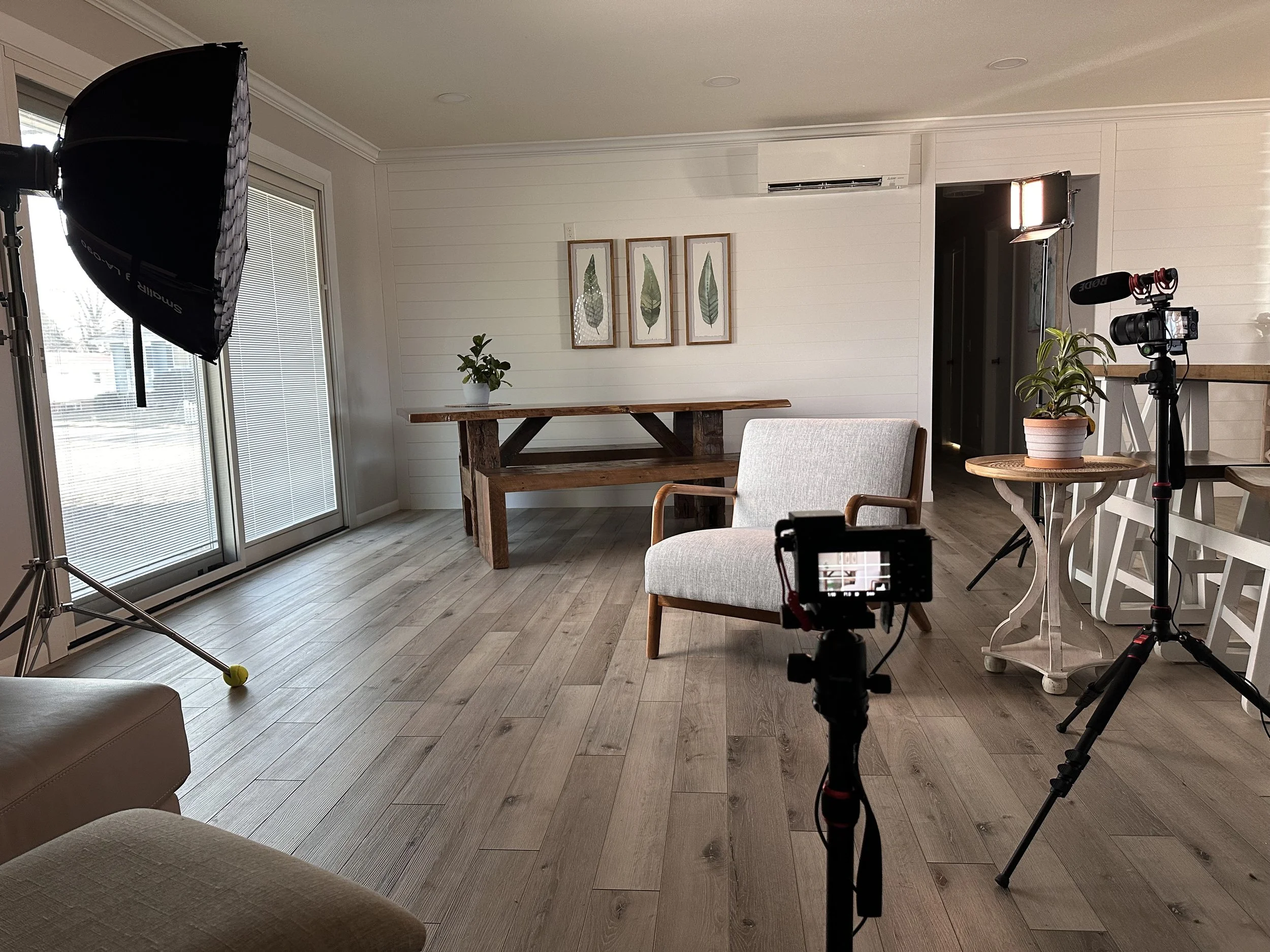
A phone interview is a great start. It’s often the difference between “we meant to” and “we did.”
But if your goal is a finished piece your whole family will watch and pass down, that’s where a video memoir comes in. A professional life story video captures clean audio, thoughtful storytelling, and creates something that feels like a real legacy, not just a file on a phone.
At Roots & Story, we help families preserve family stories through guided interviews and professional editing, so your kids and grandkids can know the voice, the expressions, and the heart behind the stories.
If you’ve been thinking, “I should do this,” consider this your nudge to start. Today is better than someday.
