How to Keep Family Land in the Family: The Legal Plan and the Story
If you are over 65 and you own land you want to keep in the family, there are two things that matter.
The legal plan.
And the story.
Most families focus on the first and forget the second.
But the second is the part that makes your family want to keep it.
1) The legal plan protects the land
Let’s start with what is obvious.
If you want land to stay in the family, you need the legal work in place.
A trust.
A succession plan.
A strategy that protects your family and reduces unnecessary headaches.
This post is not legal advice, and you should talk to a qualified attorney and financial professional.
But the point is simple.
Paperwork matters.
It protects the asset.
2) The story connects the family to the land
Now here is what most people miss.
If your family is not connected to the story of the land, they will not feel connected to the land.
And if they do not feel connected to it, they probably will not keep it.
They might intend to.
They might want to.
They might even promise you they will.
But when pressure comes, connection is what holds.
Taxes.
Siblings.
Distance.
Maintenance.
Busy lives.
Different priorities.
When land is just an asset, it becomes easy to sell.
When land is a story, it becomes harder to let go.
What stories create connection?
You do not need a polished speech. You just need to tell the truth.
Here are the stories your family needs to hear.
The origin story
Did you buy the land, or inherit it?
What did it cost you?
What did you have to give up to make it work?
The people story
What were your parents like on this land?
What do you remember about your grandparents?
Who built what is still standing?
The hardship story
What were the hardest seasons?
What crisis hit the farm and how did you get through it?
What did those years teach you?
The meaning story
What does this land represent to you?
What values were formed here?
What do you hope it represents for your kids and grandkids?
If your kids have never lived there, or have never heard these stories, they may not understand why it matters.
But when they hear it from you, in your voice, something changes.
Why the story matters more than you think
A lot of land gets sold for one reason.
The next generation does not feel rooted to it.
They did not sweat on it.
They did not carry the responsibility.
They did not experience the highs and lows.
So when it becomes complicated, they choose the simpler path.
This is not a judgment. It is reality.
Story builds attachment.
And attachment is what keeps families fighting for something when it would be easier to walk away.
A simple way to record the story of your land
You can do this yourself with a phone. Truly.
Here’s a simple plan.
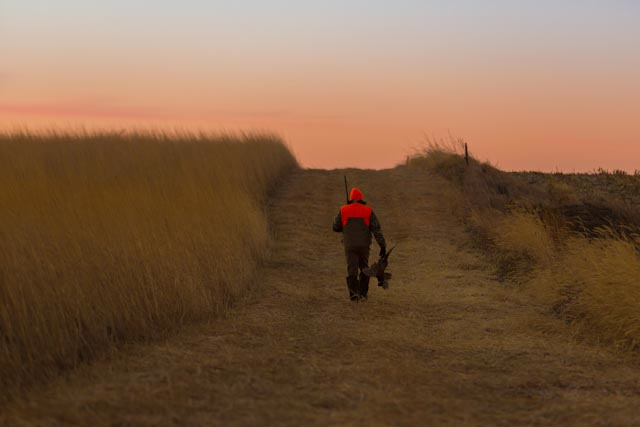
Step 1: Walk the property
Record as you walk.
Stand where the stories happened.
Point to places.
“This is where…” is a powerful way to begin.
Step 2: Answer these five questions on video
How did this land become ours?
What is your earliest memory here?
What was the hardest season, and what did you learn?
What do you want your grandkids to know about this place?
What do you hope happens with this land after you are gone?
Step 3: Save it twice
Put it in two places.
A hard drive and a cloud folder.
A shared family drive and a backup.
Do not leave it on one device.
Step 4: Share it now
Do not wait until you are gone for them to watch it.
Let them see it while you are here.
Let it shape the way they think about the land today.
The goal is not a perfect video. The goal is a preserved voice.
Your audio might not be great.
The lighting might be bad.
You might ramble.
Record it anyway.
Because one day, your family will not care about production quality.
They will care that they can still hear you.
Roots & Story can help you do it well
At Roots & Story, we create video memoirs that preserve the stories families do not want to lose.
If your land matters to you, your story matters too.
The legal plan protects the asset.
But the story protects the legacy.
If you want help capturing the story of your land in a way your family can keep for generations, send us a message.
Don’t let it go untold.